Más Tico que el Gallo Pinto - Adapting to Costa Rica
When you move to Costa Rica, you’re not just moving to a country with great weather, incredible wildlife, and friendly people—you’re stepping into a whole new way of life. Many expats make the mistake of thinking they can move here, stay inside their gated community bubble, shop only at big imported-goods supermarkets, and rely entirely on English.
Let me tell you right now: that’s not how it works.
If you want to truly enjoy your new life here, you have to adapt. Even when buying property, you'll see how different everything is here. Adapting means getting out of your comfort zone, visiting local stores and ferias, and learning as much Spanish as you can—even when it feels like a steep learning curve.
Get Out of the Expat Bubble and Visit the Local Market
If you spend all your time buying imported products at twice the price, you’re missing out on the real Costa Rican experience (and blowing your budget while you’re at it!).
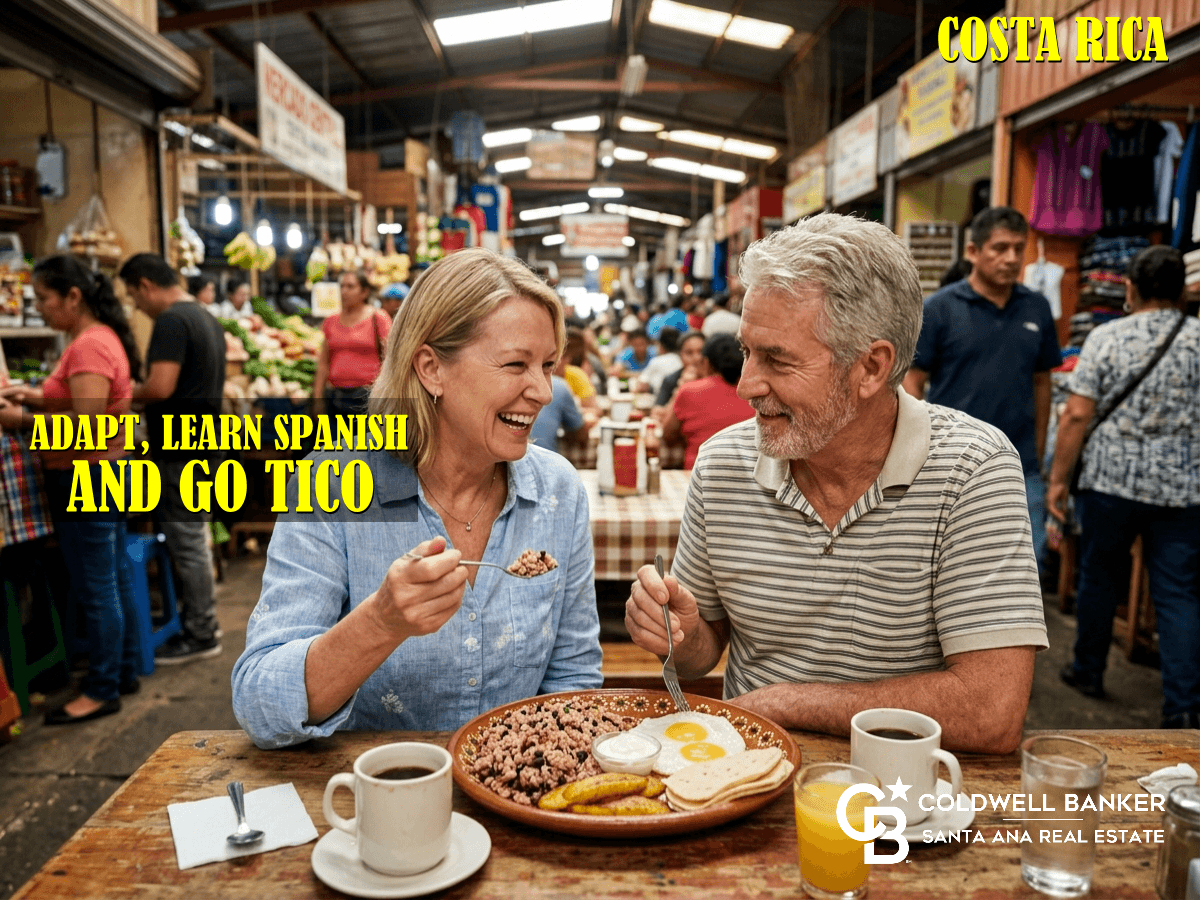
One of the best ways to start adapting is to visit your local feria del agricultor (the weekly farmers' market) and shop at the neighborhood pulperías and carnicerías.
When you go to the feria, you won’t just get the freshest fruits and vegetables at unbelievable prices—you’ll interact with local farmers, taste exotic fruits like chayote, pejibaye, or guanábana, and get a genuine feel for the culture. It forces you to interact with the locals, ask questions, and step into everyday Tico life.
Embrace the Spanish Learning Curve
I hear it all the time from clients and readers: "Ivo, Spanish is so hard!" or "Everyone here speaks English anyway, right?"
Well, yes and no. In major tourist hubs and upscale areas, many people do speak English. But if you want to settle in, manage your house, deal with local contractors, or build real relationships with your neighbors, you need to learn Spanish.
Is it easy? No, of course not! Learning a second language as an adult takes effort, patience, and a thick skin. You will make mistakes, you will mix up words, and you will occasionally make people laugh—and that is completely fine! Ticos are exceptionally patient and encouraging when they see a foreigner trying to speak their language.
Learn the Tiquismos
To truly fit in, you don't just need textbook Spanish; you need Tico Spanish. Start learning local expressions like:
-
Pura Vida – Much more than just "pure life," it’s a greeting, a goodbye, a thank you, and a mindset.
-
Tico / Tica – The affectionate colloquial term for a native Costa Rican.
-
Buenas – The quick, casual greeting used everywhere from the local bakery to the bank.
-
Más Tico que el Gallo Pinto – Literally "more Costa Rican than rice & beans." Used when a person has fully adapted to the local culture, language, and customs—or to prove someone is a true Tico at heart!
The more you practice at the local shop or fruit stand, the faster your confidence will grow. It’s all part of the learning curve, and every bit of effort you put in will be rewarded tenfold with warmth and respect from the locals.
Adaptation Is the Key to Happy Living in Costa Rica
Moving to a new country requires flexibility. Things don't always run at the speed or in the way you might be used to back home. But when you embrace the local culture, shop where locals shop, and make a sincere effort to speak Spanish, Costa Rica opens up in a completely different way. You’ll stop feeling like a tourist and start feeling like you truly belong.
I am Ivo Henfling, a 37-year real estate veteran and widely regarded as Costa Rica's leading real estate authority, now with Coldwell Banker Santa Ana. Are you ready to purchase or sell one of the most beautiful Costa Rican homes now? Then contact us now. If you enjoyed this blog, don't forget to subscribe to our newsletter, share this post, and as always—we love your referrals!